

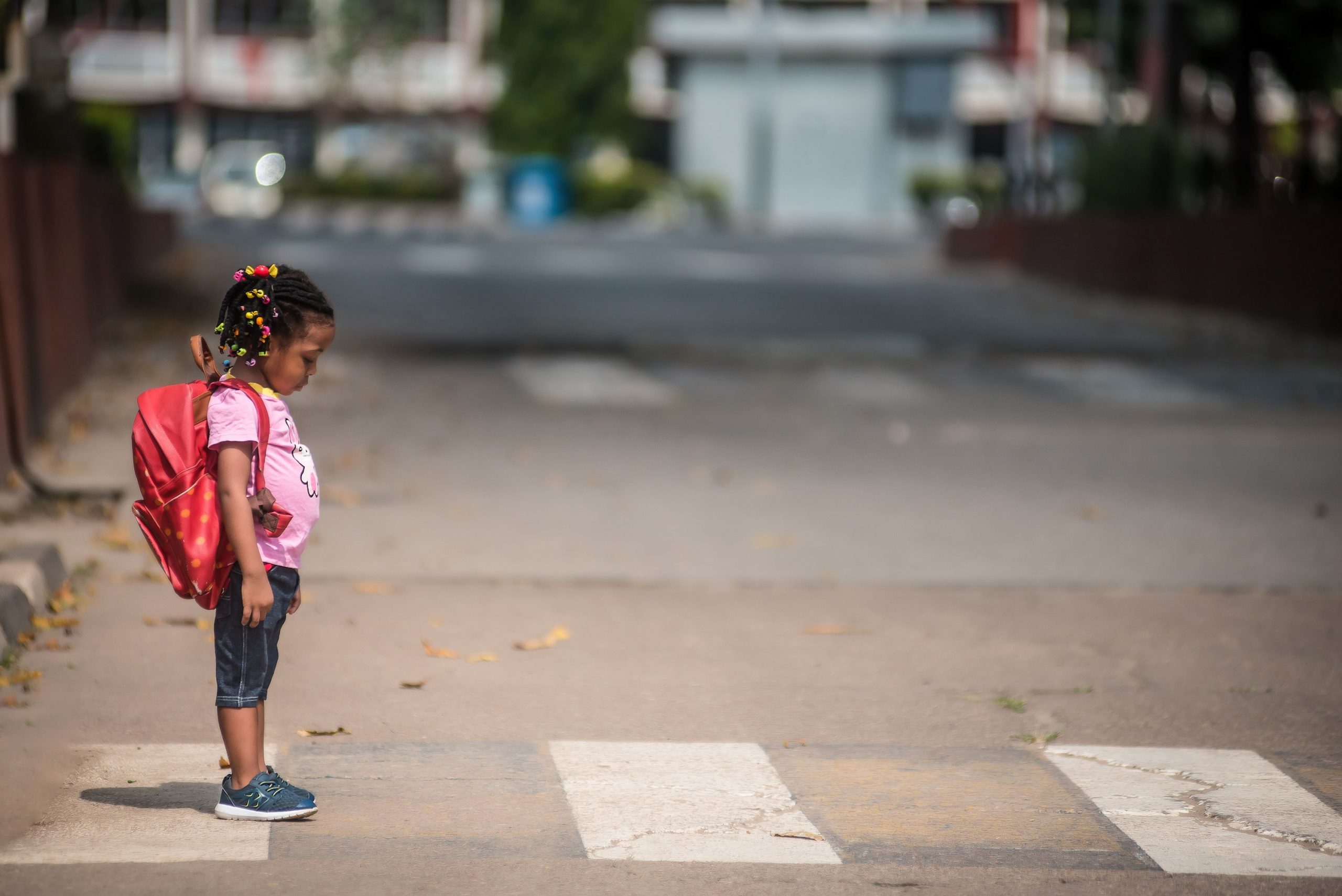
Therapy for School Refusal: What Helps?
Some mornings, school refusal looks like tears at the front door. Other mornings, it looks like stomachaches, headaches, panic, anger, or a child who simply cannot get out of bed. For many families, the pattern builds slowly until school becomes a daily battle. Therapy for school refusal can help uncover what is driving the distress and create a clear, supportive plan for getting a child or teen back to learning, routines, and confidence.
School refusal is not the same as ordinary reluctance. Most children complain about school from time to time. School refusal is different because the emotional reaction is stronger, more persistent, and disruptive to daily life. A child may want to attend in theory but feel overwhelmed when the moment arrives. Others may become intensely avoidant because school has become linked with fear, shame, or emotional pain.
What school refusal often looks like
School refusal can show up in several ways. A younger child may cry, cling, or plead to stay home. A middle schooler may have frequent physical complaints that tend to worsen on school mornings. A teenager may become withdrawn, irritable, or defiant, especially when parents talk about attendance.
The behavior can be confusing because it does not always look like anxiety at first. Some children melt down. Some shut down. Some seem oppositional when they are actually overwhelmed. Parents are often left asking whether their child is being manipulative, exhausted, bullied, depressed, or simply stubborn. In many cases, the answer is more complicated than one label.
Why therapy for school refusal matters early
The longer a child stays out of school, the harder it can become to return. Missed classes can affect grades, peer relationships, sleep schedules, family stress, and a child’s sense of competence. What begins as a few missed days can turn into a pattern that feels very hard to interrupt.
Early support matters because school refusal usually does not improve through pressure alone. Consequences may play a role in a broader parenting plan, but fear-driven avoidance tends to grow when it is handled only with conflict, lectures, or shame. Therapy helps families respond with more clarity. It can reduce the cycle of panic, pleading, power struggles, and missed school that leaves everyone discouraged.
What causes school refusal
There is no single cause, and that is one reason treatment needs to be individualized. For some children, anxiety is the central issue. They may fear separation, social embarrassment, tests, performance, transitions, or making mistakes. For others, depression, bullying, trauma, ADHD, learning challenges, sensory overload, or family stress may be contributing factors.
Sometimes the problem begins after a major change – a move, illness, grief, divorce, friendship conflict, academic pressure, or a difficult classroom experience. In other cases, the child has been struggling quietly for months before parents realize how severe the distress has become.
It also matters what happens after the child stays home. If home becomes the only place where they feel safe, avoidance can start to feel rewarding, even when they are unhappy and falling behind. That does not mean the child is choosing the struggle. It means the brain has learned to associate school with danger and home with relief.
How therapy for school refusal works
Therapy for school refusal usually starts with a careful assessment. A counselor will want to understand when the problem began, what school mornings look like, whether there are physical symptoms, how the child talks about school, and what may be happening socially, emotionally, academically, and at home.
From there, treatment is built around the child’s age, symptoms, and needs. Evidence-based therapy often includes work on anxiety, emotional regulation, coping skills, and gradual exposure to feared situations. If depression, trauma, OCD, ADHD, or family conflict are part of the picture, those issues need attention too.
For younger children, therapy may include play-based interventions that help them express fear in developmentally appropriate ways. For older children and teens, counseling often focuses on identifying thought patterns, building distress tolerance, and practicing step-by-step return plans. Parents are usually an important part of treatment because their response can either reduce or reinforce avoidance.
A good treatment plan is not only about getting a child through the school doors. It is about helping them handle the feelings that made school feel unbearable in the first place.
What parents can expect in counseling
Many parents come into therapy carrying guilt, frustration, and exhaustion. That is understandable. School refusal can disrupt work, strain marriages, affect siblings, and leave families feeling isolated. Counseling should create space for parents to be supported too, not blamed.
In therapy, parents often learn how to respond calmly without accidentally strengthening avoidance. That may include setting more predictable routines, reducing lengthy negotiations, validating distress without giving in to it, and working with the school in a more coordinated way. Sometimes parents need help distinguishing between empathy and accommodation. Those are not the same thing.
For example, empathy says, “I can see this feels really hard.” Accommodation says, “Because this feels hard, you do not have to face it.” Children need compassion, but they also need help moving toward what is hard in manageable steps.
When school involvement is part of treatment
A child’s progress is often stronger when parents, therapist, and school are working from the same plan. Depending on the situation, that may include adjusted expectations during re-entry, check-ins with a counselor, modified arrivals, support around missed work, or strategies to manage anxiety during the day.
There is no one-size-fits-all return plan. Some students do best with a quick return to full attendance. Others need a gradual approach. The right path depends on the severity of symptoms, how long the child has been missing school, and whether there are underlying concerns that still need stabilization.
A thoughtful plan balances two truths at once: avoiding school usually makes anxiety worse, and pushing too hard without support can backfire. Effective therapy helps families find the middle ground.
Faith and emotional support in therapy for school refusal
For some families, faith is an important part of how they understand suffering, hope, and healing. In a Christian-oriented counseling setting, that can be integrated gently and appropriately into care when the family desires it. Faith should never replace sound clinical treatment, but it can offer added comfort, meaning, and encouragement.
Children and teens often need reassurance that their struggle does not mean they are weak, failing, or beyond help. Parents may also need space to process fear and disappointment while holding onto hope. Compassionate counseling can support both emotional healing and values-based parenting during a very stressful season.
Signs it is time to seek help
If school refusal is happening repeatedly, it is wise to reach out sooner rather than later. Warning signs include frequent absences, escalating distress before school, repeated physical complaints with no clear medical cause, panic symptoms, emotional outbursts tied to attendance, or a child who becomes increasingly isolated and avoidant.
It is also time to seek support if your family is stuck in daily conflict over school or if your child’s world is getting smaller because they are avoiding not only class, but also friends, activities, and normal routines. Those patterns usually signal that the issue is not passing on its own.
At Beyond Today Counseling, families can find compassionate, evidence-based support for children and teens who are struggling with anxiety, emotional distress, and school-related challenges. Whether the need is play therapy for a younger child, counseling for a teen, or family support around daily routines, the goal is the same – helping each child move toward stability, confidence, and hope.
School refusal can feel overwhelming, but it is treatable. With the right support, children and teens can learn to face fear, parents can respond with greater confidence, and families can begin to see mornings change from crisis to progress.
Related Posts

Understanding Obsessive-Compulsive Disorder (OCD): More Than Just a “Neat Freak
We’ve all heard someone casually say, “I’m so OCD about this!”—usually in...

Is Telehealth Therapy Effective for Real Healing?
Is telehealth therapy effective? Learn when virtual counseling works well, where...

Cleaning and Mental Health: The Hidden Link Between Tidiness and Emotional Wellbeing
Cleaning and Mental Health: The Hidden Link Between Tidiness and Emotional...

How to Set Boundaries Without Guilt
Boundaries don’t push people away; they keep relationships safe. A healthy...