

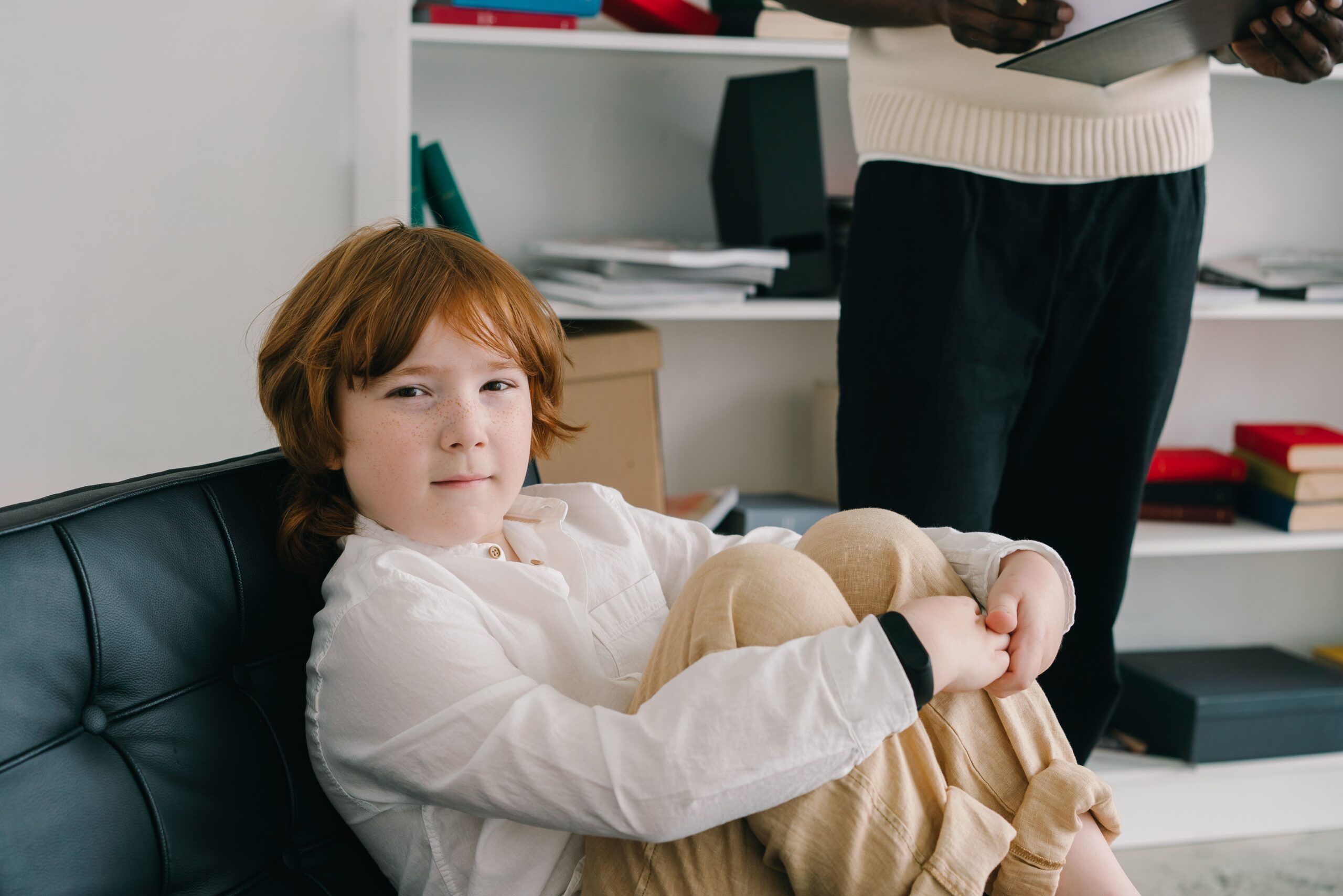
When Behavioral Therapy for Children Can Help
A child who melts down after school, argues over every request, hits when frustrated, or cannot shift from one activity to another is not necessarily choosing to be difficult. Often, they are communicating a need, a worry, a skill gap, or an emotional burden they do not yet know how to express. Behavioral therapy for children helps families look beneath the behavior with compassion while building practical skills that make daily life feel more manageable.
What Is Behavioral Therapy for Children?
Behavioral therapy is a structured, evidence-based approach that helps children understand the connection between situations, feelings, thoughts, and actions. Rather than simply trying to stop an unwanted behavior, a therapist works to identify what may be driving it and teaches the child healthier ways to respond.
For a young child, this work may happen through play, stories, routines, visual tools, and practice with a caregiver nearby. For older children, therapy may include learning how to pause before reacting, name emotions, challenge unhelpful thoughts, solve problems, and practice social skills. Parents are often an essential part of the process because the strategies need to work not only in the counseling office, but also at home, school, and in the community.
The goal is not to create perfect behavior or make a child more convenient for adults. Healthy behavioral support helps a child feel safer, more capable, and better understood. It also helps parents respond with consistency and confidence instead of feeling stuck in the same painful cycle.
When Challenging Behavior May Need More Support
Every child has difficult days. Big feelings, testing limits, sibling conflict, and occasional defiance are normal parts of development. Counseling may be helpful when behavior is frequent, intense, disruptive, or causing distress for the child or family.
Parents may notice repeated meltdowns that seem out of proportion to the situation, aggression toward siblings or peers, ongoing refusal to attend school, trouble following routines, impulsive choices, or escalating conflict at home. Some children become unusually withdrawn, irritable, rigid, or anxious. Others may appear to be acting out when they are actually overwhelmed by grief, trauma, learning challenges, bullying, family changes, or social pressure.
Behavioral concerns can also occur alongside ADHD, anxiety, depression, autism-related needs, OCD, sensory differences, or difficulties with emotional regulation. A thoughtful therapist will not assume that one diagnosis explains everything. Each child has a unique temperament, developmental stage, family story, and set of strengths.
Looking Beyond the Behavior
A behavior often has a purpose, even when it is disruptive. A child may avoid homework because the work feels impossible, leave the dinner table because the environment is overstimulating, or yell because they have not learned another way to ask for help. Identifying patterns can turn a confusing problem into something a family can address.
In therapy, the clinician may explore what tends to happen before a behavior, what the behavior looks like, and what happens afterward. This is not about blaming parents or labeling a child. It is about gathering useful information. For example, if meltdowns happen most often during transitions, the child may benefit from advance warnings, a visual schedule, and calming practice before the transition begins.
Sometimes the best response is a clear boundary. Other times, the child needs connection, rest, sensory support, or a new skill. Effective care makes room for both compassion and accountability. Children need to know that their feelings are welcome, while harmful actions still need to be addressed safely.
What Therapy May Look Like
The first sessions usually focus on understanding the child and the family. A counselor may ask about developmental history, school experiences, relationships, sleep, medical concerns, recent stressors, and the routines that are hardest at home. Parents can share what they have tried, what has helped even a little, and what they hope will change.
With younger children, play therapy can be especially valuable. Children often communicate through play more naturally than through a direct conversation. A trained therapist can use play to help a child practice emotional expression, flexibility, problem-solving, and safe ways to manage anger or worry.
As therapy continues, a child may learn to recognize body clues that signal rising frustration, use words for emotions, take a calming break, ask for help, and repair a relationship after a conflict. Parents may learn how to give specific praise, set predictable limits, reduce power struggles, and follow through on consequences without shame or harshness.
Progress rarely means that a child never gets upset again. More often, it looks like a shorter meltdown, a quicker recovery, one honest conversation instead of an explosive reaction, or a parent recognizing the warning signs earlier. These small changes can create meaningful hope over time.
How Parents Can Support Change at Home
Parents do not need to become therapists to support their child well. A few consistent practices can reinforce what a child is learning in counseling.
Start by noticing and naming positive behavior. Specific encouragement, such as recognizing when a child used a calm voice or tried again after frustration, teaches more than a general compliment. Clear routines also help many children feel secure. Knowing what happens before school, after dinner, or at bedtime can reduce uncertainty and prevent unnecessary conflict.
It is also helpful to keep expectations realistic. A hungry, exhausted, anxious, or overstimulated child will have a harder time using new skills. Children need repeated practice when they are calm before they can rely on those skills during a hard moment. If a strategy does not work right away, that does not mean your child is failing or that you are doing something wrong. It may mean the plan needs adjustment.
Parents can also protect connection during correction. A calm statement such as, “I can see you are very upset. Hitting is not safe. Let’s take space and figure out what you need,” communicates both care and a firm limit. This approach can be difficult when everyone is frustrated, which is one reason parent support is a meaningful part of child counseling.
Choosing the Right Therapist and Approach
The right fit matters. Families deserve a counselor who understands child development, listens without judgment, and can explain treatment in clear, practical terms. Depending on the child’s needs, therapy may include behavioral strategies, cognitive behavioral therapy, play therapy, parent coaching, family sessions, or coordination with school and medical providers when appropriate.
It is reasonable to ask how the therapist involves parents, how progress is measured, and what the first few sessions may look like. It can also help to share your family’s values and preferences. For many families, faith is an important source of comfort, identity, and hope. Christian-oriented counseling can make space for those values when desired while maintaining ethical, evidence-based clinical care.
At Beyond Today Counseling, children and families can receive age-appropriate support in a welcoming setting designed to help them move from daily struggles toward greater emotional wellness. Care can be tailored to concerns such as anxiety, ADHD, grief, family conflict, trauma, and behavioral challenges, rather than treating every child with the same plan.
A Hopeful Next Step for Your Child
Seeking help does not mean you have failed as a parent, and it does not mean your child is broken. It means you are paying attention to a struggle that deserves support. With patient guidance, practical tools, and a relationship where a child feels safe, difficult behaviors can become an opportunity to build resilience, communication, and hope for the future.
Related Posts

How to Know When It’s Time to Seek Therapy: 5 Signs
Life brings challenges, and it's normal to experience periods of...

Best Therapy Methods for ADHD That Can Help
Learn which best therapy methods for ADHD can help children, teens, and adults...

How to Start Family Counseling With Confidence
Learn how to start family counseling, prepare your household, choose a trusted...

Therapy for School Refusal: What Helps?
Therapy for school refusal helps children and teens address anxiety, stress, and...