

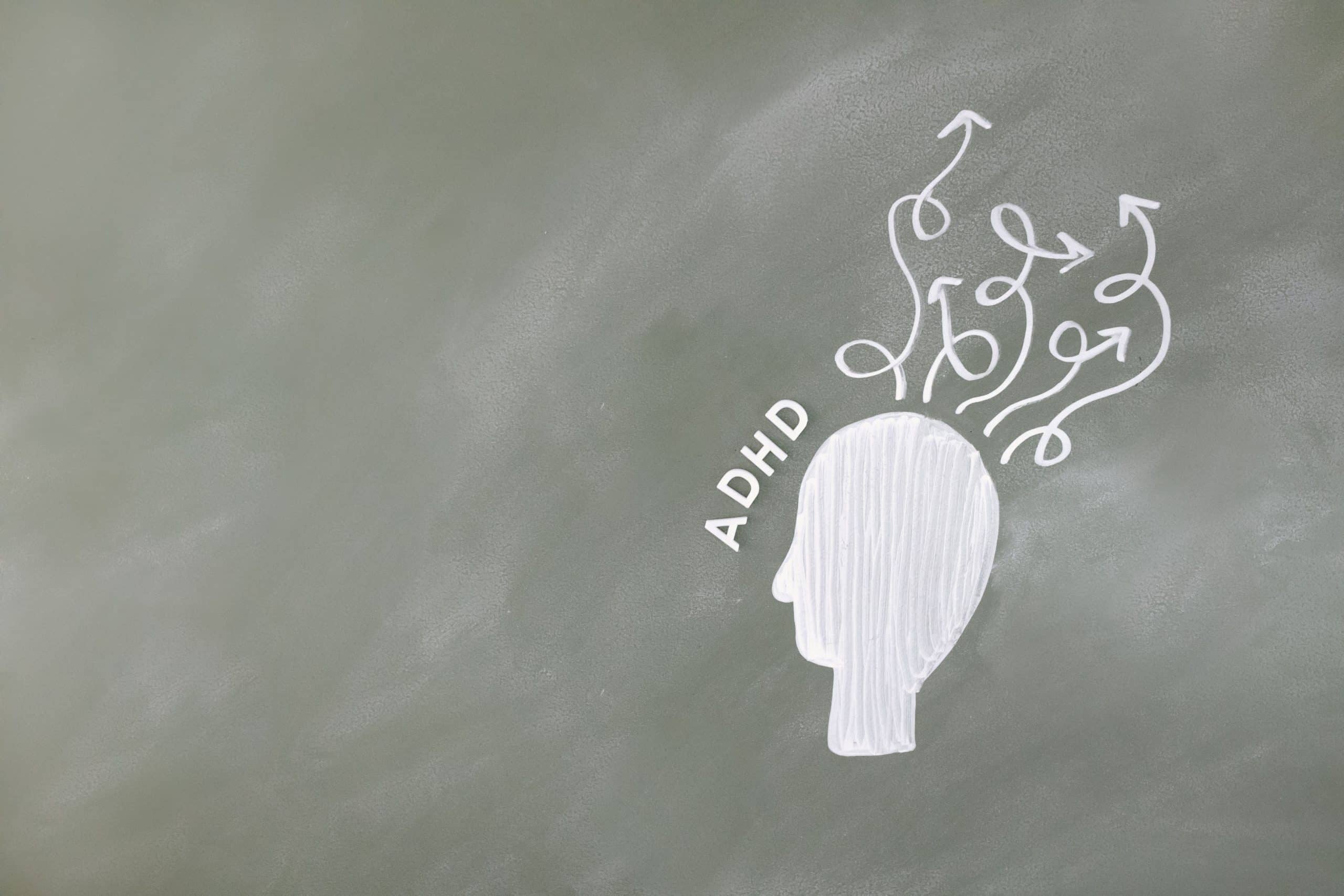
Best Therapy Methods for ADHD That Can Help
A missed deadline, an unfinished homework assignment, a tense conversation after another forgotten responsibility – ADHD can affect much more than attention. It can shape confidence, relationships, routines, and the way a person sees themselves. The best therapy methods for ADHD are not about forcing someone to be different. They help children, teens, and adults understand how their brain works, build useful skills, and experience support without shame.
ADHD looks different from person to person. One child may be constantly moving and impulsive, while another may seem quiet but struggle to begin tasks or keep track of instructions. An adult may be successful at work yet feel overwhelmed by organization, time management, and emotional reactivity at home. Because the challenges are personal, treatment should be personal, too.
What therapy can help with in ADHD care
Therapy does not “cure” ADHD, and it is not a replacement for a medical evaluation or medication when medication is appropriate. It can, however, make a meaningful difference in the daily challenges that often come with ADHD. Counseling can help clients develop routines, manage big emotions, communicate needs, reduce conflict, and recover from setbacks with greater self-compassion.
For many people, ADHD also occurs alongside anxiety, depression, learning differences, trauma, or low self-esteem. A thoughtful therapist looks at the whole picture rather than treating a missed assignment or impulsive choice as an isolated problem. This matters because a plan that works for attention difficulties alone may not fully address worry, discouragement, family stress, or emotional pain.
Best therapy methods for ADHD
There is no single approach that fits every age or situation. The most effective care often combines skill-building with emotional support, and may involve parents, schools, medical providers, or partners when appropriate.
Cognitive behavioral therapy for adults and teens
Cognitive behavioral therapy, often called CBT, helps clients notice the connection between thoughts, emotions, and behaviors. For someone with ADHD, this may mean identifying the thoughts that show up after procrastinating, losing something important, or receiving criticism. Thoughts such as “I always mess up” or “There is no point trying” can make it harder to take the next helpful step.
In CBT, clients practice replacing all-or-nothing thinking with more realistic and compassionate responses. Therapy also focuses on practical strategies, such as breaking a large assignment into smaller actions, using reminders effectively, planning for transitions, and creating a realistic schedule. The goal is not a perfect planner or a perfectly organized home. It is a system that works well enough for that individual’s real life.
CBT is especially helpful for teens and adults who understand their ADHD challenges but feel stuck in patterns of avoidance, self-criticism, anxiety, or overwhelm. Younger children may need more hands-on and family-centered approaches instead.
Behavioral therapy and parent support for children
For children with ADHD, behavioral therapy often includes active parent involvement. Parents learn ways to set clear expectations, create predictable routines, and respond consistently to both positive behavior and challenging moments. This is not about harsh discipline or blaming parents. It is about giving a child structure that supports skills they are still developing.
A therapist may help a family choose one or two behaviors to address at a time, such as getting ready for school, completing a short homework routine, or using respectful words during frustration. Specific praise and immediate, achievable rewards can be more effective than repeated lectures. Children with ADHD often receive a great deal of correction throughout the day, so noticing effort and progress can protect their confidence while reinforcing growth.
Parents also need room to talk honestly about exhaustion, worry, and the strain ADHD can place on family life. Supportive counseling can help caregivers stay connected to their child while holding healthy boundaries.
Play therapy for younger children
Young children may not yet have the language to explain why they are frustrated, restless, or discouraged. Play therapy gives them a developmentally appropriate way to express feelings, practice problem-solving, and build emotional awareness. Through play, a therapist can help a child recognize emotions, tolerate disappointment, and practice calmer ways to respond when something feels hard.
Play therapy is not simply unstructured playtime. It is a therapeutic relationship designed around the way children naturally communicate. When paired with parent guidance, it can support children who are experiencing ADHD-related behavioral concerns, anxiety, family changes, or difficulty with peers.
Executive function skill-building
Executive functions are the brain-based skills that help people start tasks, remember information, manage time, organize materials, and pause before reacting. ADHD can make these skills more difficult, even when a person is intelligent, motivated, and genuinely trying.
Therapy can turn vague advice like “get organized” into concrete supports. A counselor might help a client establish a simple evening routine, create a visual checklist, identify a consistent place for keys and school materials, or use a weekly planning habit that does not require hours of upkeep. For teens, this may include learning how to prioritize assignments and ask teachers for clarification. For adults, it may involve managing work demands, household responsibilities, or finances.
The right tools depend on the person. A detailed color-coded system may help one client and overwhelm another. Effective therapy pays attention to what is realistic, repeatable, and encouraging.
Family or couples counseling
ADHD can affect relationships in ways that are easy to misunderstand. A partner may interpret forgetfulness as a lack of care. A parent may see repeated reminders as defiance. A teen may feel constantly criticized, while caregivers feel ignored or helpless. These patterns can create distance even when everyone wants the relationship to improve.
Family or couples counseling provides a place to slow down those interactions. A therapist can help family members talk about ADHD with less blame, strengthen communication, and develop shared systems for responsibilities and conflict. The focus is not on making one person the problem. It is on helping the whole family respond more effectively.
Mindfulness and emotional regulation strategies
Many people with ADHD experience emotions intensely or react quickly before they have time to think. Mindfulness-based practices can help clients notice what is happening in their body and mind, creating a small but meaningful pause before a reaction. This may look like a grounding exercise before a difficult conversation, recognizing early signs of overload, or practicing a brief reset after frustration.
Mindfulness is not about sitting still for long periods or clearing the mind completely. For someone with ADHD, it may work best when it is brief, active, and practical. A therapist can help clients find approaches that feel accessible rather than discouraging.
How to choose an ADHD therapist
A good fit matters. Look for a licensed therapist who has experience working with ADHD at your or your child’s stage of life. Ask how they involve parents when counseling a child, whether they address co-occurring anxiety or depression, and how they help clients apply skills between sessions. If medication is part of the care plan, a therapist can often coordinate with a prescribing medical provider with proper permission.
It is also reasonable to consider personal values. Some clients want faith to be part of counseling, while others prefer a primarily clinical approach. At Beyond Today Counseling, clients can receive evidence-based, compassionate support in a safe setting where Christian values may be incorporated when desired. Therapy should never feel forced or judgmental. It should feel like a place where people can be honest about what is difficult and hopeful about what can change.
Progress is built one workable step at a time
ADHD support is most helpful when it moves beyond advice and into everyday life. A child may learn to use a morning checklist without a battle. A teen may begin an assignment before panic sets in. An adult may recognize that a missed task calls for a reset, not a harsh internal verdict. Those changes may seem small from the outside, but they can restore confidence and peace over time.
If ADHD is making daily life feel heavier than it should, counseling can offer a steady place to begin. The next step does not have to solve everything at once. It only needs to be a step toward greater understanding, practical support, and hope.
Related Posts

A Parent’s Guide to Child Behavior Therapy
Use this guide to child behavior therapy to understand signs, approaches, parent...

7 Benefits of Faith Centered Counseling
Learn the benefits of faith centered counseling, from emotional support to...

What Causes Anxiety in Children?
Learn what causes anxiety in children, how stress, temperament, school, family,...

How to Know When It’s Time to Seek Therapy: 5 Signs
Life brings challenges, and it's normal to experience periods of...