

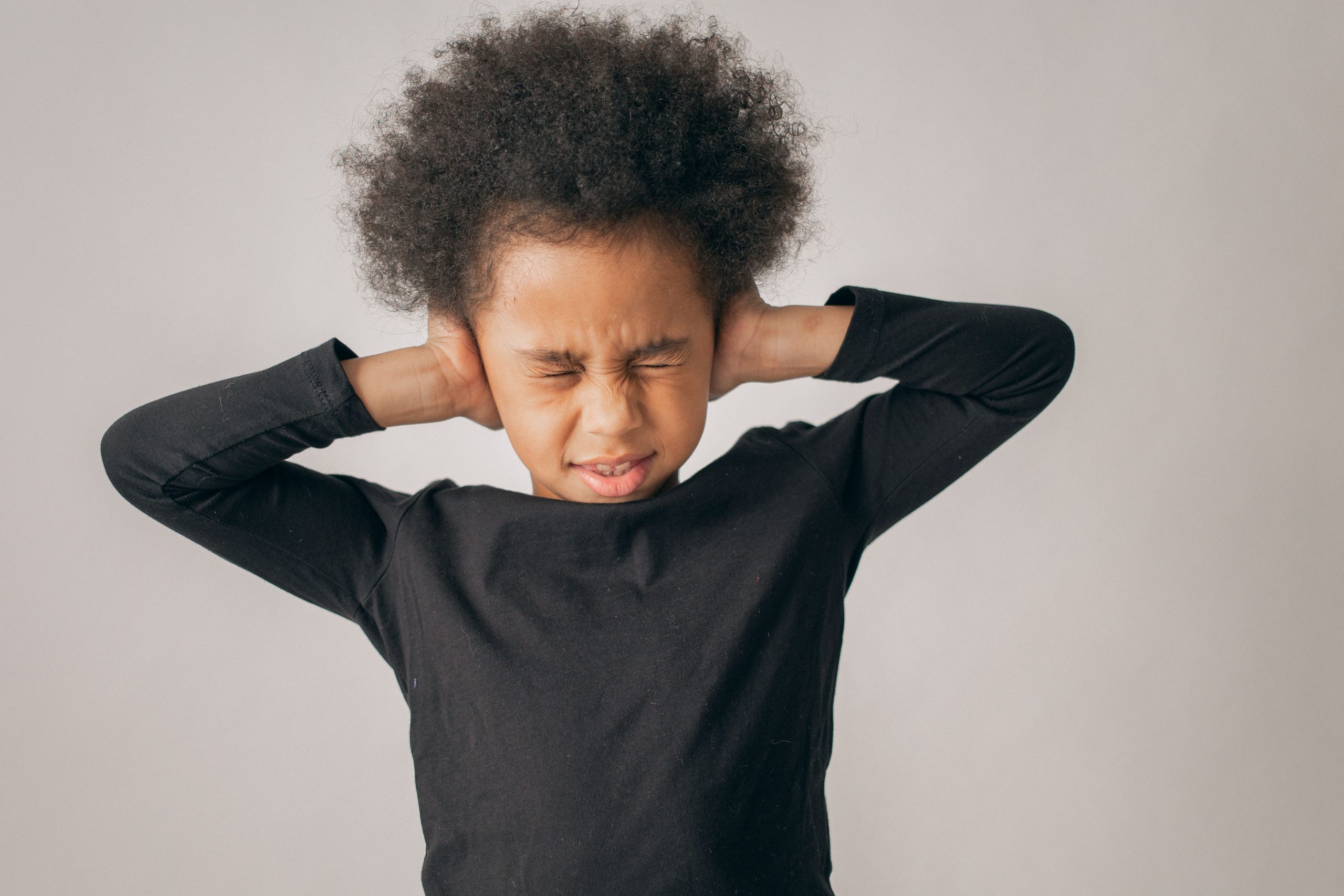
What Causes Anxiety in Children?
A child who suddenly clings at school drop-off, melts down over small changes, or can’t sleep before a test is not necessarily being difficult. Often, those behaviors are the visible part of something deeper. When parents ask what causes anxiety in children, the answer is usually not one single event. Anxiety tends to grow from a mix of factors – personality, life experiences, family stress, school pressure, and sometimes the way a child’s brain and body respond to perceived danger.
For many families, the hardest part is that anxiety does not always look like worry. Some children seem tearful and fearful. Others get irritable, controlling, withdrawn, or physically sick. Understanding where anxiety may be coming from can help parents respond with clarity instead of guilt or frustration.
What causes anxiety in children most often?
Children can develop anxiety for different reasons, and those reasons are often layered. A child may be naturally more sensitive, then go through a stressful season, then begin avoiding situations that feel hard. Over time, the anxiety can become more intense because avoidance teaches the brain that ordinary situations are unsafe.
In many cases, anxiety is not caused by bad parenting or a lack of faith. It is a real emotional and physical response that deserves thoughtful care. Some children are simply more prone to anxious thinking, while others begin struggling after a change or loss that overwhelms their sense of safety.
Temperament and personality
Some children are born with a more cautious or sensitive temperament. They notice details, react strongly to change, and may take longer to warm up to people or environments. That does not mean something is wrong with them. It means their nervous system may respond more quickly to stress.
These children often do well with predictability, reassurance, and time to adjust. But if the world around them feels fast, demanding, or uncertain, they may start to live in a constant state of alertness. A naturally thoughtful child can begin to expect problems before they happen.
Family history and biology
Anxiety can run in families. Sometimes that pattern is genetic, and sometimes children learn anxious responses by observing the adults around them. Often, it is both. If a parent has struggled with anxiety, a child may inherit a more reactive stress response and also absorb the message that the world is risky.
This is not about blame. Parents do not need to be perfect for children to heal and grow. But it can be helpful to notice patterns. If worry, overprotection, panic, or chronic stress are common in the home, a child may begin to mirror that emotional tone.
Stress at home
Children are deeply affected by the atmosphere around them. They may not understand adult problems in detail, but they are very aware when tension is high. Conflict between parents, financial strain, illness, grief, divorce, a move, or instability in routines can all increase anxiety.
Even positive changes can feel unsettling. A new baby, a new house, or a new school year may bring excitement and stress at the same time. Children often lack the language to say, “I feel uncertain,” so the anxiety comes out through behavior, stomachaches, sleep trouble, or tears.
School pressure and social stress
School is one of the most common settings where anxiety shows up. Academic expectations can feel heavy, especially for children who are perfectionistic or afraid of making mistakes. A child may worry about tests, grades, getting the right answer, or disappointing teachers and parents.
Social stress matters just as much. Friendships can be confusing and painful, especially as children get older. Fear of rejection, exclusion, embarrassment, or bullying can make school feel unsafe. Some children become highly anxious about lunch, recess, group work, or speaking in class, even if they seem fine at home.
For children with ADHD, learning differences, autism-related challenges, or sensory sensitivities, the school environment may be even more overwhelming. Anxiety can develop when a child feels constantly behind, misunderstood, or overstimulated.
When achievement becomes fear
High-achieving children are not immune to anxiety. In fact, they sometimes hide it well. A child who earns good grades and follows rules may still be consumed by fear of failure. They may erase their homework repeatedly, cry over small mistakes, or become physically ill before performances or presentations.
This kind of anxiety can be missed because the child looks responsible on the outside. Inside, they may feel that love, approval, or safety depends on getting everything right.
Trauma, loss, and unsettling experiences
Some anxiety begins after a child experiences something frightening or overwhelming. That could include abuse, neglect, a car accident, medical trauma, the sudden loss of a loved one, or witnessing conflict or violence. Trauma affects how safe the world feels, and children may stay on high alert long after the event has ended.
Not every stressful event causes trauma, and not every child responds in the same way. One child may bounce back quickly while another remains fearful for months. It depends on the child’s age, temperament, support system, and the nature of the experience.
Children can also be deeply affected by events adults consider minor. A humiliating moment at school, a scary dog encounter, or repeated exposure to upsetting news can leave a strong impression. What matters is not only what happened, but how the child experienced it.
How the body and brain contribute
Anxiety is not just a thinking problem. It is also physical. When a child senses danger, the body prepares to protect itself. Heart rate rises, muscles tense, breathing changes, and the brain scans for threats. In an actual emergency, that response is helpful. In everyday life, it can become exhausting.
Some children have a nervous system that reacts quickly even when the threat is small or unclear. They may complain of headaches, nausea, racing heart, or trouble sleeping. Because the physical feelings are so uncomfortable, they begin to fear the feelings themselves. That can create a cycle where worry and body symptoms feed each other.
This is one reason reassurance alone does not always solve the problem. A child may know something is probably okay and still feel terrified. Their body is sounding an alarm even when their environment is relatively safe.
Parenting patterns can influence anxiety – but they are not the whole story
Parents often wonder if they caused their child’s anxiety. Usually, the healthier question is not “Did I cause this?” but “How can I help now?” Parenting patterns can influence anxiety, especially if a child receives too little support or too much rescue. But most anxious children are not anxious because their parents failed them.
If a parent quickly removes every distressing situation, the child may not get chances to build confidence. If a parent dismisses fear with “you’re fine,” the child may feel alone in it. The goal is a middle path: warm support paired with steady encouragement.
Children need empathy and structure. They need adults who can say, “I know this feels hard, and I believe you can handle it.” That message helps build resilience over time.
What causes anxiety in children to get worse?
Anxiety often grows when it goes unrecognized or when daily patterns quietly reinforce it. Avoidance is one of the biggest drivers. If a child skips the thing that scares them, relief comes quickly. But the brain learns that avoidance is the answer, and the fear tends to return stronger next time.
Lack of sleep, overscheduling, family conflict, too much screen time, and exposure to distressing content can also make anxiety worse. For some children, constant comparison through social media or pressure to perform in every area adds to a persistent sense of not being enough.
There is also a spiritual and emotional piece for many families. Children need a steady sense of safety, belonging, and hope. When life feels chaotic, that foundation can feel shaky. Gentle, values-centered support can be grounding, especially when it is paired with clinically sound care.
When should parents seek support?
Some worries are part of normal development. Many children go through phases of fear about the dark, storms, separation, or new situations. The question is whether the anxiety is intense, persistent, or interfering with daily life.
It may be time to seek professional help if your child’s anxiety is affecting school, sleep, friendships, family life, or physical health. It is also worth paying attention if your child is avoiding more and more activities, having frequent meltdowns, asking for repeated reassurance, or showing physical complaints with no clear medical cause.
Counseling can help children understand what they are feeling and learn tools to manage it. Depending on the child’s age and needs, that support may include play therapy, coping skills, parent guidance, and evidence-based treatment that addresses both thoughts and body responses. In a practice like Beyond Today Counseling, families can find care that is compassionate, clinically informed, and supportive of the values that matter most to them.
If your child is struggling, try not to read their behavior only at the surface level. Anxiety is often a signal, not a character flaw. With patience, wise support, and the right help, children can grow in confidence and begin to feel safe in the world again.
Related Posts

How to Use Grounding Techniques When Anxiety Hits
Learn how to use grounding techniques for anxiety, stress, and overwhelm with...

7 Benefits of Faith Centered Counseling
Learn the benefits of faith centered counseling, from emotional support to...

How to Know When It’s Time to Seek Therapy: 5 Signs
Life brings challenges, and it's normal to experience periods of...

Signs of Teen Burnout Parents Should Notice
Learn the signs of teen burnout, how burnout can resemble anxiety or depression,...